Gravel Pad vs. Concrete Slab: Which Shed Base Is Right for Your Yard?
If you're getting a shed delivered or building one from a kit, the base you put it on matters more than most people realize. A bad foundation leads to sagging floors, stuck doors, and moisture problems within a couple of years. In Anne Arundel County, where the soil tends to be heavy clay with poor drainage, getting the base right is especially important.
Gravel Pads: The Most Popular Choice
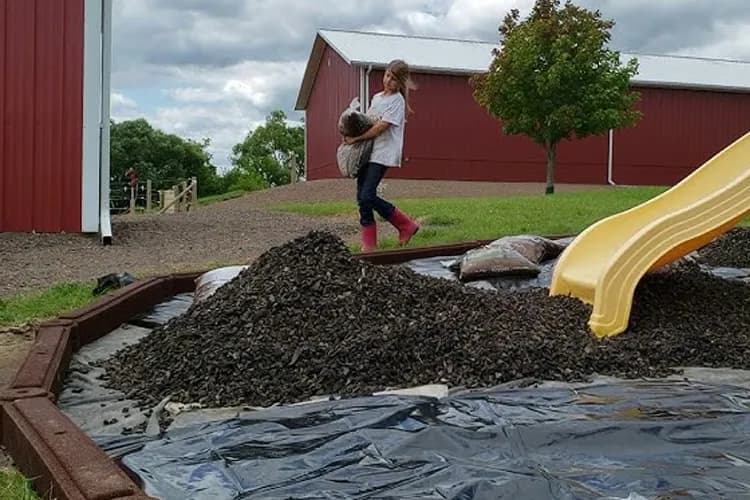
A gravel pad is the most common shed foundation for a reason. It's affordable, drains well, and can be installed in a day or two. The basic setup involves excavating the area, laying landscape fabric, and filling with compacted crush-and-run gravel.
Pros of gravel pads:
- Lower cost than concrete (typically $1,500–$3,500 depending on size)
- Excellent drainage, which is critical in our clay-heavy Maryland soil
- Faster installation — usually done in one to two days
- Can be resized or relocated if needed down the road
- No curing time; your shed can go on immediately
Cons of gravel pads:
- Not ideal for very heavy structures like large two-story sheds
- May need periodic re-leveling over many years
- Less suitable for sheds you plan to use as finished living or workspace
Concrete Slabs: The Permanent Option
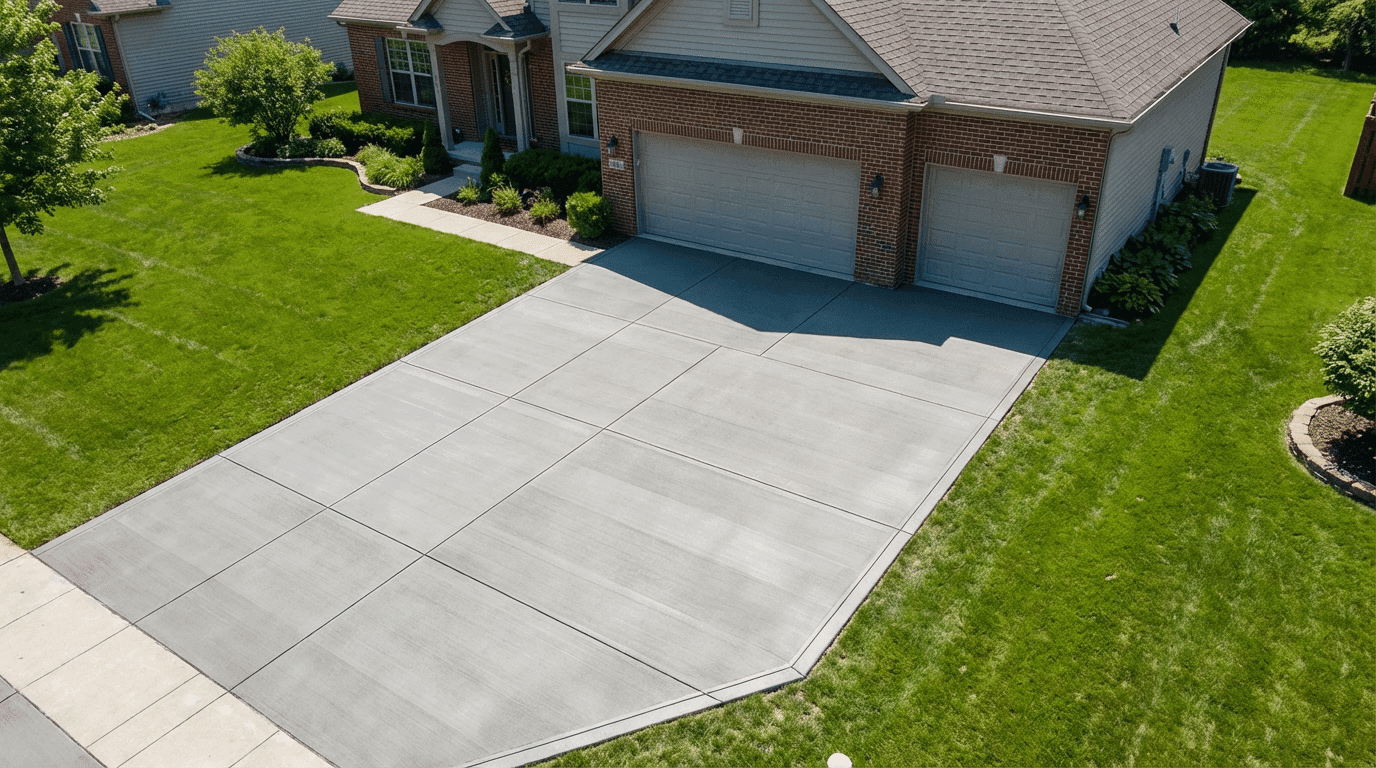
A concrete slab is the stronger, more permanent foundation. It's the right choice if you're building something heavy, plan to use the space as a workshop with heavy equipment, or want a perfectly smooth floor.
Pros of concrete slabs:
- Maximum structural support
- Smooth, clean floor surface
- Ideal for workshops, garages, and heavier structures
- Virtually maintenance-free once cured
Cons of concrete slabs:
- Higher cost (typically $3,500–$7,000+)
- Requires proper drainage planning or it can channel water toward your home
- Takes several days to cure before you can build on it
- Permanent — hard to modify later
Quick Comparison: Gravel Pad vs. Concrete Slab
| Feature | Gravel Pad | Concrete Slab |
|---|---|---|
| Cost (typical) | $1,500–$3,500 | $3,500–$7,000+ |
| Installation time | 1–2 days | 2–3 days + 5–7 day cure |
| Drainage | Excellent (water passes through) | Requires engineered slope |
| Best for | Sheds, playhouses, hot tubs | Garages, workshops, ADUs |
| Max load | Light to moderate structures | Heavy structures and vehicles |
| Relocatable | Yes | No |
| Maintenance | Periodic re-leveling (rare) | Virtually none |
| Lifespan | 15–25+ years | 30+ years |
Which One Works Better in Anne Arundel County?
For most standard backyard sheds (8x10 through 14x20), a properly built gravel pad is the best choice here. Our soil holds water, and gravel gives it somewhere to go. Concrete can work great too, but drainage must be planned carefully.
If you're putting up a large garage-style building or a structure that will house heavy equipment, concrete is the way to go. For everything else, gravel gives you the best combination of value, performance, and longevity.
The Bottom Line
Both options work well when built correctly. The key is proper site prep — excavating to the right depth, grading for drainage, and compacting the base material. That's where cutting corners leads to problems.
If you're not sure which option is right for your project, we're happy to come out, look at your site, and give you an honest recommendation.
Bobby
Owner & Lead Contractor at Backyard Bobby's
Bobby is a licensed outdoor construction contractor (MHIC #05-163777) based in Millersville, Maryland. He and his crew have completed hundreds of projects across 19 Anne Arundel County communities — from gravel pads and patios to full deck builds and accessory dwelling units. When he's not on a job site, he writes about what Maryland homeowners should know before starting their next outdoor project.
Ready to Get Started on Your Gravel Pads & Concrete Foundations Project?
We provide free estimates for all gravel pads & concrete foundations projects in Anne Arundel County and surrounding areas.