7 Signs It's Time to Replace Your Driveway (Not Just Patch It)
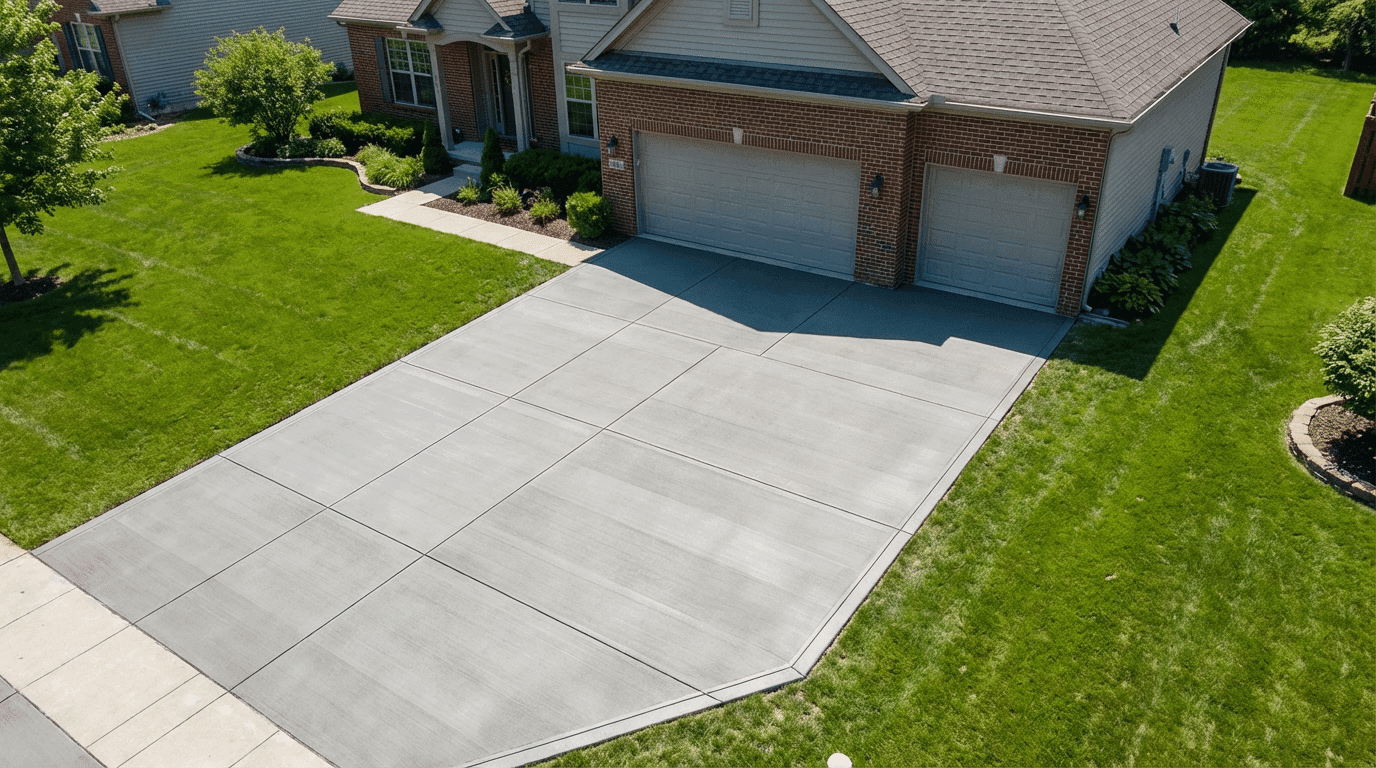
Every driveway has a lifespan. Asphalt driveways typically last 15–20 years and concrete driveways 25–30 years, but Maryland's weather can shorten both of those numbers significantly. Freeze-thaw cycles, heavy rain, tree roots, and years of vehicle weight all take their toll.
The question most homeowners face isn't whether their driveway will eventually need replacement — it's knowing when patching stops making sense and a full replacement is the smarter investment.
Here are seven signs it's time.
1. Alligator Cracking
Individual cracks can be patched. But when your driveway has a network of interconnected cracks that looks like alligator skin, the base underneath has failed. Patching the surface won't fix a base problem. Once you see alligator cracking, replacement is the only lasting solution.
2. Large Potholes That Keep Coming Back
If you're filling the same potholes every spring, you're throwing money into a hole (literally). Recurring potholes mean the subgrade has deteriorated and water is undermining the structure from below.
3. Drainage Problems
Water should flow off your driveway, not pool on it or channel toward your foundation. If you're seeing standing water, erosion channels, or water flowing toward your house, the driveway's grade has shifted and needs to be corrected during a replacement.
4. Sinking or Heaving Sections
When sections of your driveway sink or heave upward, the base has been compromised — usually by water, frost, or organic material decomposing underneath. This is especially common in Anne Arundel County where clay soil holds moisture and expands.
5. Crumbling Edges
Edges that are breaking apart and receding are a sign that the driveway was either too thin or wasn't properly supported at the borders. Once edges start going, the rest follows.
6. The Driveway Is Over 20 Years Old
Even if it looks okay on the surface, a 20+ year old asphalt driveway is living on borrowed time. The binder that holds the aggregate together dries out over the years, making the surface increasingly brittle. A proactive replacement before total failure saves you from emergency repairs and potential damage to your vehicles.
7. You're Spending More on Repairs Than Replacement Would Cost
Add up what you've spent on crack filling, patching, and sealing over the past few years. If you're approaching 30–40% of what a new driveway would cost, you're better off investing in a replacement that will last another 20+ years.
What Driveway Replacement Looks Like
A proper driveway replacement isn't just paving over what's there. Here's the process:
- Full removal of the old surface and base material
- Grading and compaction of the subgrade to ensure proper drainage
- New aggregate base installed and compacted in layers
- Surface material — asphalt, concrete, or pavers — installed to proper thickness
- Edge reinforcement and drainage integration
- Sealing (for asphalt) after appropriate cure time
The whole process typically takes 2–4 days depending on size and material choice.
Don't Wait Until It's an Emergency
Replacing a driveway on your timeline is always cheaper and less stressful than doing it after a major failure. If you're seeing any of these signs, it's worth getting a professional assessment. We'll tell you honestly whether a repair will hold or whether it's time for a fresh start.
Bobby
Owner & Lead Contractor at Backyard Bobby's
Bobby is a licensed outdoor construction contractor (MHIC #05-163777) based in Millersville, Maryland. He and his crew have completed hundreds of projects across 19 Anne Arundel County communities — from gravel pads and patios to full deck builds and accessory dwelling units. When he's not on a job site, he writes about what Maryland homeowners should know before starting their next outdoor project.
Ready to Get Started on Your Driveway Installation Project?
We provide free estimates for all driveway installation projects in Anne Arundel County and surrounding areas.